Author: admin

  • Make a mini wildlife pond in a weekend

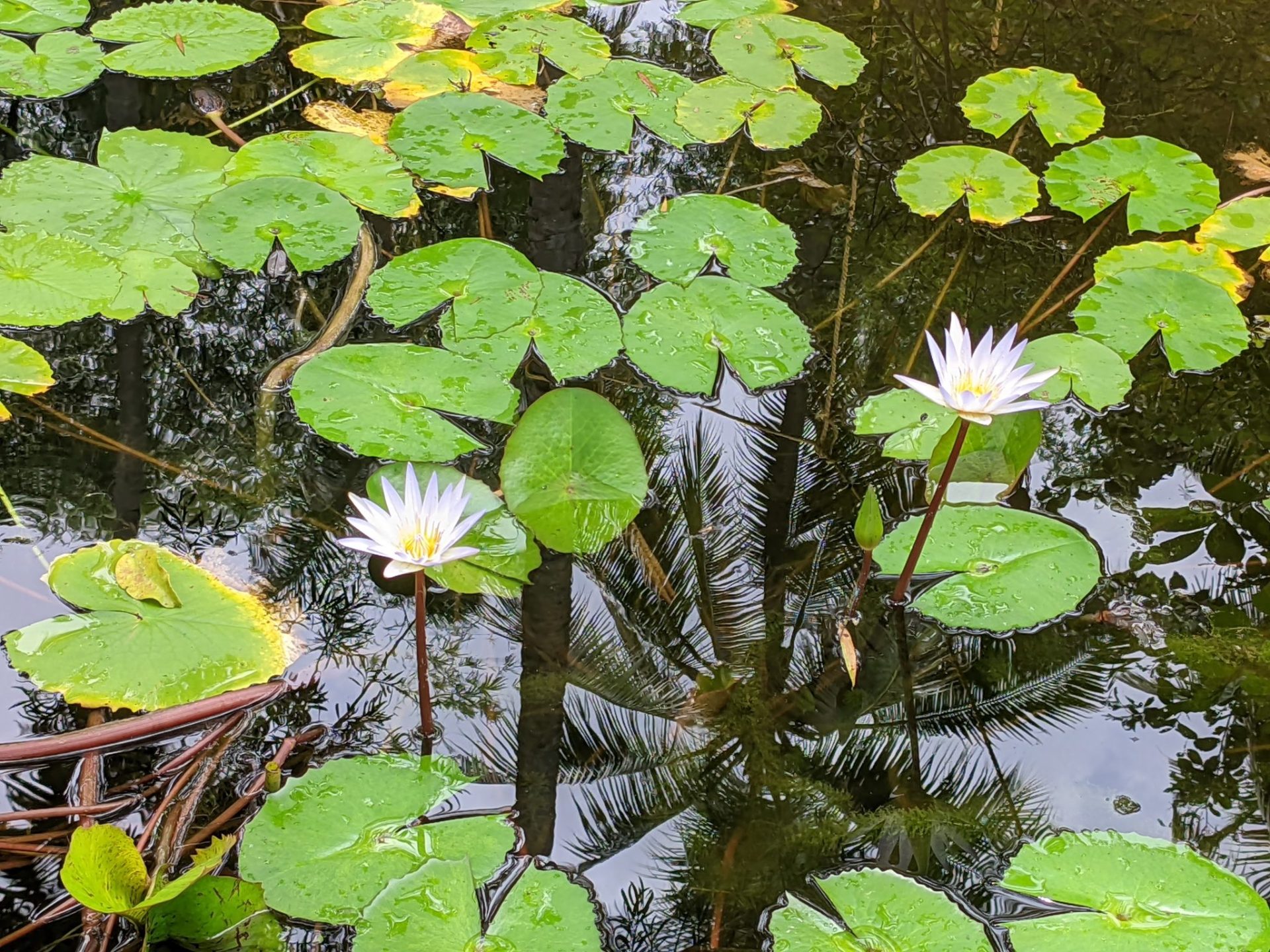
    Make a mini wildlife pond in a weekend

    A pond is one of the best things you can add to a garden for wildlife – and it doesn’t have to be big. A mini pond made from a large pot, half barrel or old washing-up bowl can attract birds, insects and even frogs within weeks.

    What you’ll need

    • A watertight container – a large pot, barrel, trug or sink
    • Gravel, stones and a few bricks
    • Rainwater (tap water contains nutrients that feed algae)
    • Two or three native pond plants

    Step by step

    • Choose a spot with some sun but some shade during the hottest part of the day.
    • Sink the container into the ground, or leave it on a patio with stones piled up the side.
    • Add a layer of gravel and use bricks to create shelves at different depths.
    • Build a ‘ladder’ of stones so wildlife can climb in and out.
    • Fill with rainwater and add your plants – a mix of submerged, floating and marginal plants works best.
    • Then wait. Don’t add fish or frogspawn from elsewhere – wildlife will find it on its own.

    Looking after it

    Top up with rainwater in dry spells, remove fallen leaves in autumn, and thin out plants if they take over. That’s about it.

    Want something bigger? We design and build wildlife ponds of all sizes, from container ponds to natural garden ponds with shallow beaches.
  • No Mow May: how a longer lawn helps wildlife

    No Mow May: how a longer lawn helps wildlife

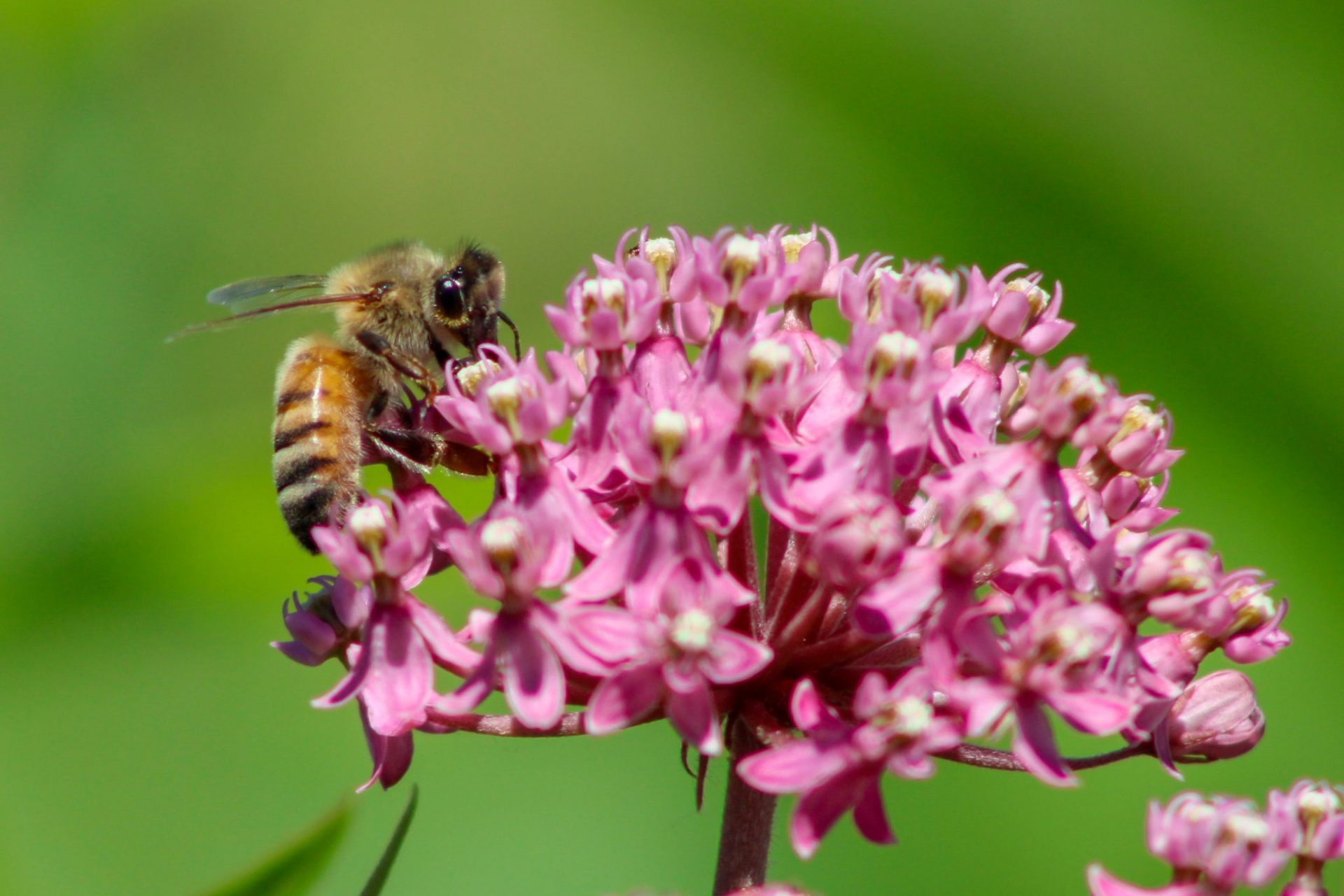
    No Mow May is a simple idea: put the lawnmower away for the month of May and let your lawn flower. It costs nothing, saves you time, and gives pollinators an early-season feast just when they need it most.

    Why it helps

    The UK has lost around 97% of its wildflower meadows since the 1930s, so many of our bees and butterflies are short of food. Lawns that are mown less often can be full of flowers such as daisies, dandelions, clover, selfheal and bird’s-foot trefoil – and they all produce nectar and pollen.

    Keeping it going after May

    Once May is over, you don’t have to go back to a bowling-green lawn. Try a mix of approaches:

    • Mow paths and edges regularly so the garden looks cared for.
    • Leave some areas to grow longer for butterflies and grasshoppers.
    • Mow the rest every four weeks or so to let low flowers bloom.
    • Remove the cuttings – lower fertility helps wildflowers compete with grass.

    Going further

    If you’d like even more flowers, you can plug-plant native wildflowers into your lawn or sow yellow rattle, which weakens vigorous grasses and lets other flowers in. Over time, part of your lawn could become a small meadow.

    Fancy turning part of your lawn into a wildflower area? We create flowering lawns and meadows of every size across Kent.

  • How to make a hedgehog highway in your garden

    How to make a hedgehog highway in your garden

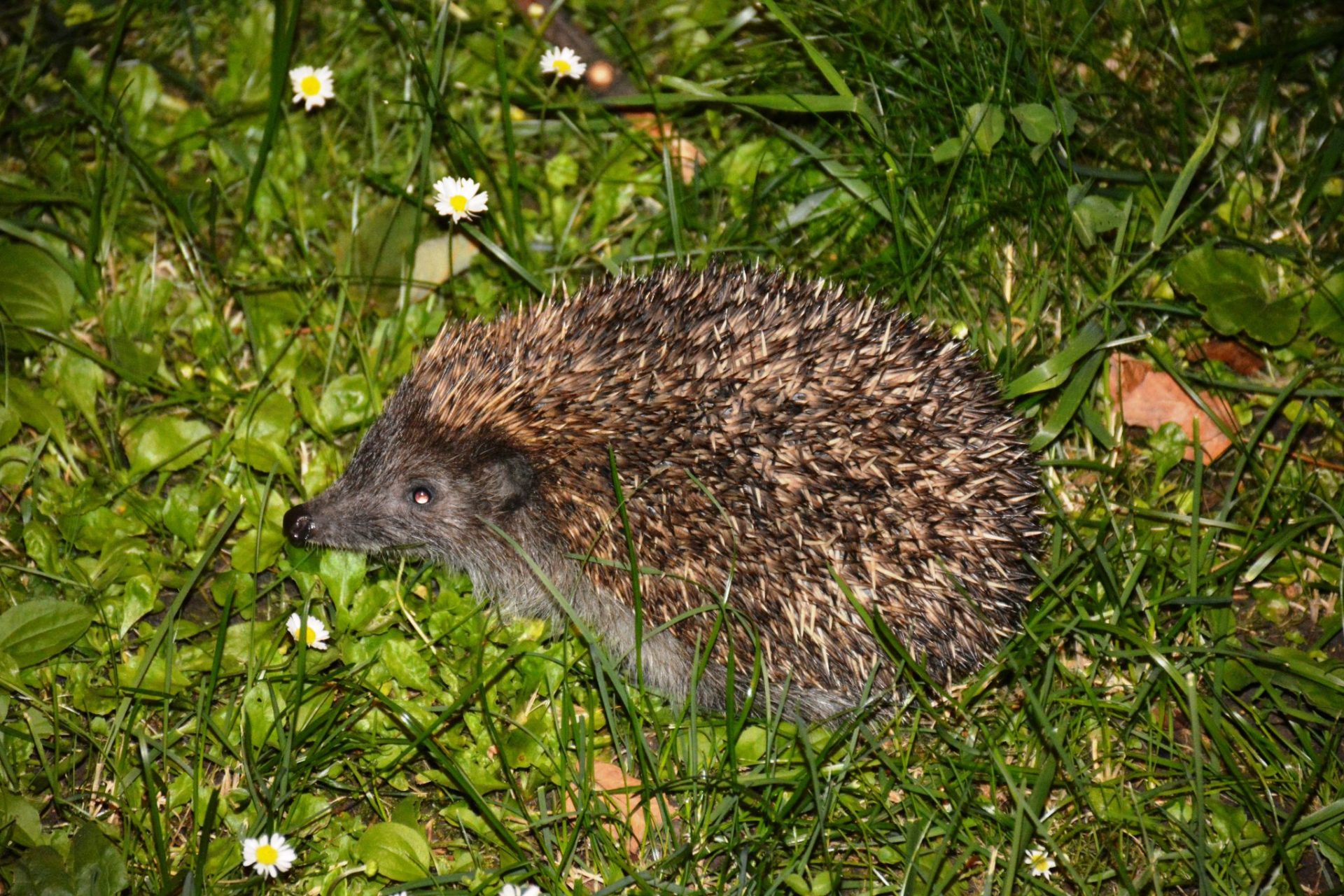
    Hedgehogs can roam a long way in a single night, searching for beetles, caterpillars and worms. But solid fences and walls turn many gardens into dead ends. A hedgehog highway – a small gap that lets hedgehogs pass between gardens – is one of the simplest and most effective things you can do to help them.

    Why hedgehogs need our help

    Rural hedgehog numbers in Britain have dropped by between 30% and 75% since 2000, according to the State of Britain’s Hedgehogs 2022 report, with the largest declines in eastern England. Urban populations appear to be holding steady, which shows how important gardens have become.

    How to make a hedgehog highway

    All you need is a hole about 13cm × 13cm – roughly the size of a CD case – at the bottom of your fence or wall. That’s big enough for a hedgehog but too small for most pets.

    • Talk to your neighbour first – the gap links both gardens.
    • Cut a neat square in the base of a wooden fence or gravel board, or dig a shallow channel underneath.
    • Use a ready-made hedgehog gravel board if you’re replacing fence panels.
    • Encourage the rest of your street to do the same.

    Make the rest of your garden hedgehog-friendly

    • Leave a wild corner with leaves and logs for nesting.
    • Add a hedgehog house in a quiet, sheltered spot.
    • Give ponds a sloping side or ramp so hedgehogs can climb out.
    • Check long grass and bonfire piles before cutting or lighting.
    • Avoid slug pellets and pesticides.
    • Put out a shallow dish of water in dry weather.

    Would you like help making your garden hedgehog-friendly? We cut neat hedgehog highways, install hedgehog houses and create wild corners across Kent.