
Wildscapes Kent services
Native Hedges & Planting
Mixed native hedges and wildlife-friendly planting that provide food, shelter and safe corridors for wildlife.
Hedges are wildlife highways
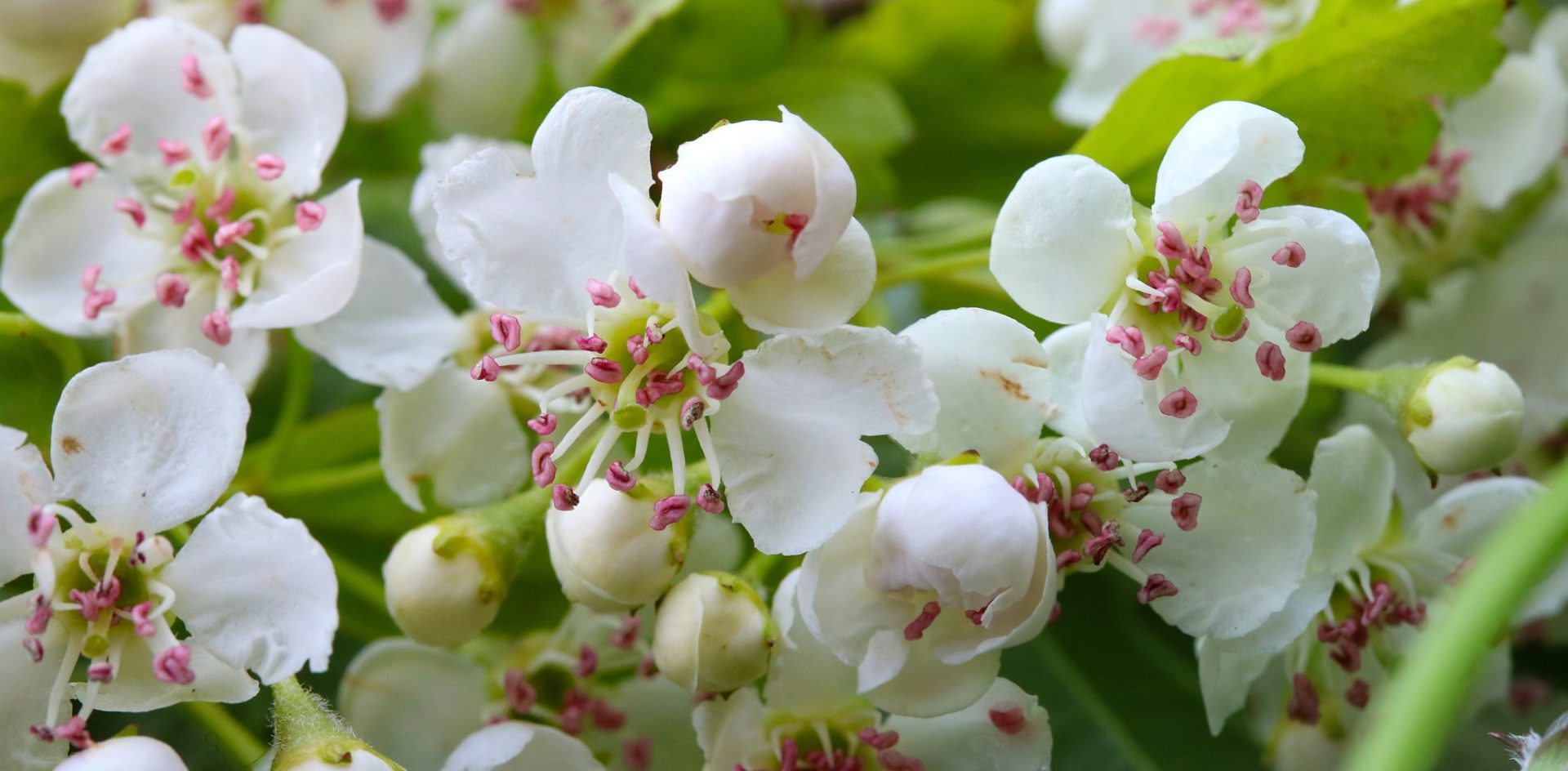
A native hedge does far more than a fence. Spring blossom feeds early bees, autumn berries and hips feed birds and small mammals, and the dense branches give birds safe places to nest and roost. Hedges also link gardens together, so wildlife can move around safely.
They’re good for you too: a hedge softens noise and wind, can help filter dust from busy roads, and changes beautifully through the seasons.
We plant mixed hedges using species such as hawthorn, blackthorn, hazel, field maple, dog rose, holly and guelder rose, chosen to suit your soil, space and how tall you want the hedge to grow.
What we offer
- Mixed native hedge planting
- Gapping up and improving existing hedges
- Wildlife-friendly hedge trimming advice
- Pollinator borders and native shrubs
- Climbers for walls and fences
- Trees for small and large gardens
When to plant
Bare-root hedging is best planted between November and March, when plants are dormant – it’s affordable and establishes quickly. Container-grown plants can go in at other times of year with a little extra watering. We’ll advise on the right approach for your garden.
Looking for something else? See all our wildlife garden services.
Ready to make room for wildlife?
Book a free, no-obligation garden visit. We’ll walk your space with you, talk about the wildlife you’d love to see, and suggest what would work best.